CORE FEATURES
Thymogen: A Research Peptide Overview
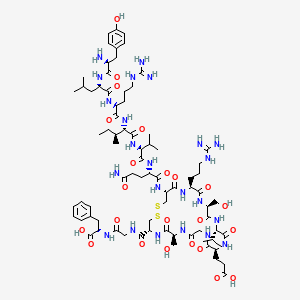
Thymogen is a synthetic peptide designed to mimic the effects of thymosin, a hormone produced by the thymus gland. Known for its immune-modulating properties, Thymogen has garnered significant attention in research for its potential therapeutic benefits across various body systems. This peptide is being explored for its stability and effectiveness in cellular regeneration, immune function, and overall body rejuvenation, making it a promising candidate for further studies.
Key Research Areas:
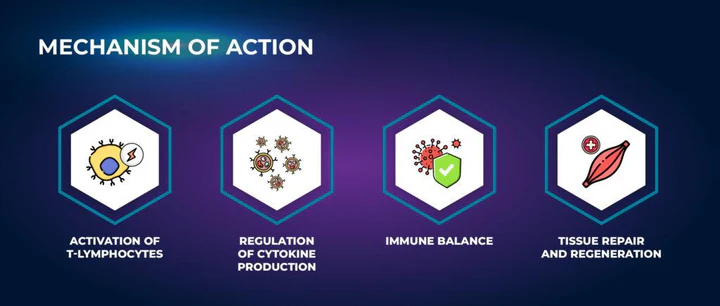
- Immune System Regulation: Thymogen is primarily researched for its role in enhancing immune function, stimulating T-cell production, and improving immune response.
- Skin Regeneration: Research has indicated that Thymogen may support skin repair and rejuvenation, potentially reducing signs of aging and improving wound healing.
- Hair Growth: Some studies are exploring Thymogen’s effects on promoting hair regrowth by stimulating cellular activity in the hair follicles.
- Tissue Repair: Thymogen is also being studied for its role in promoting muscle, tendon, and ligament regeneration.
Safety concerns:
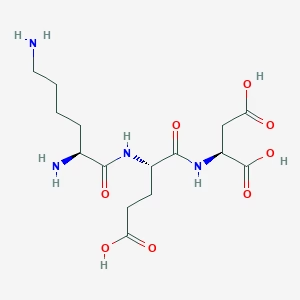
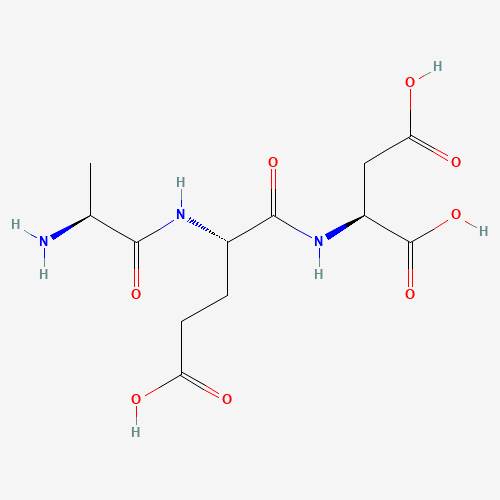
Thymogen, a short synthetic dipeptide (L-glutamyl-L-tryptophan), is considered to have low toxicity and a generally safe profile based on preclinical and clinical applications. As it breaks down quickly into natural amino acids in the body, the risk of accumulation or prolonged toxicity is minimal.
In Russian and Eastern European medical settings, thymogen has been utilized for decades in forms such as injections, nasal sprays, and topical creams, with reports suggesting good tolerability. Adverse effects are uncommon and usually mild, typically involving minor local reactions at injection sites or brief nasal irritation with intranasal use.
However, comprehensive long-term safety data in humans, especially beyond specific clinical contexts, is limited. Thymogen lacks FDA approval in the United States and is available solely for research purposes through peptide suppliers, so caution is advised for its use as a supplement or self-administered treatment.
Certain groups should avoid thymogen without close medical oversight, including those with autoimmune conditions, as immune modulation could affect disease progression, and pregnant or breastfeeding women, due to insufficient safety data. Individuals with known sensitivities or allergies to peptide compounds should also refrain from its use.
Why Choose Thymogen for Research?
Thymogen’s immune-stimulating properties, combined with its ability to promote tissue repair, make it a versatile and valuable tool for investigating both immune health and regenerative medicine.
Important Note:
Thymogen is offered exclusively for laboratory research purposes. It is not approved for human or animal use, nor is it intended to diagnose, treat, cure, or prevent any disease or condition



Reviews
There are no reviews yet.