

10% OFF your first purchase use code WELCOME10
$168.75 Original price was: $168.75.$112.50Current price is: $112.50.
Out of stock
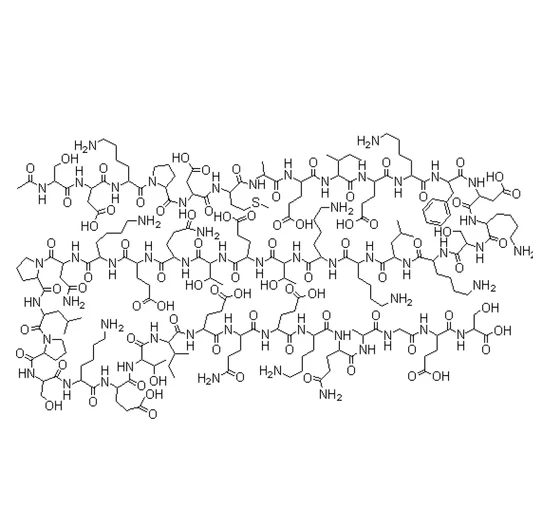
Thymosin Beta-4 (TB4)
Thymosin Beta-4 (TB4) is a naturally occurring 43-amino acid peptide found in high concentrations in nearly all human cells and tissues. It serves as the full-length precursor to TB-500 and is extensively researched for its broad regenerative, anti-inflammatory, and tissue repair properties. TB4 plays a critical role in actin sequestration, cell migration, stem cell differentiation, angiogenesis, and wound healing, making it a key subject in regenerative medicine, injury recovery, and anti-aging research.
Note: Thymosin Beta-4 (TB4) is not FDA-approved and is used exclusively for research purposes.
Thymosin Beta-4 (TB4)
Thymosin Beta-4 (TB4) is a naturally occurring 43-amino acid peptide found in high concentrations in nearly all human cells and tissues. It serves as the full-length precursor to TB-500 and is extensively researched for its broad regenerative, anti-inflammatory, and tissue repair properties. TB4 plays a critical role in actin sequestration, cell migration, stem cell differentiation, angiogenesis, and wound healing, making it a key subject in regenerative medicine, injury recovery, and anti-aging research.
Note: Thymosin Beta-4 (TB4) is not FDA-approved and is used exclusively for research purposes.
TB4, also known as Thymosin Beta-4, is a naturally occurring peptide that has been synthesized for research purposes. It is recognized for its potential in promoting tissue repair, reducing inflammation, and supporting regenerative processes, making it a compelling subject for studies in regenerative medicine.
Tissue Repair and Regeneration: TB4 is extensively studied for its ability to accelerate healing in tissues such as muscles, tendons, and ligaments.
Inflammation Modulation: Research focuses on its capacity to reduce inflammation and oxidative stress, potentially improving recovery outcomes.
Angiogenesis and Cellular Growth: TB4 is investigated for its role in promoting new blood vessel formation and enhancing cell proliferation, which supports tissue repair.
TB4’s ability to enhance cellular migration and tissue regeneration makes it an ideal peptide for exploring applications in wound healing, recovery, and regenerative medicine. Its stability and solubility provide versatility for various experimental conditions.
TB4 is intended solely for laboratory research purposes. It is not approved for human or animal use, nor is it intended to diagnose, treat, cure, or prevent any disease or condition.
This website contains research products intended only for adults 21 years of age or older.
By entering this site, you confirm that:
Please complete the form below to continue.

Reviews
There are no reviews yet.