

10% OFF your first purchase use code WELCOME10
$393.75 Original price was: $393.75.$320.00Current price is: $320.00.
390 in stock
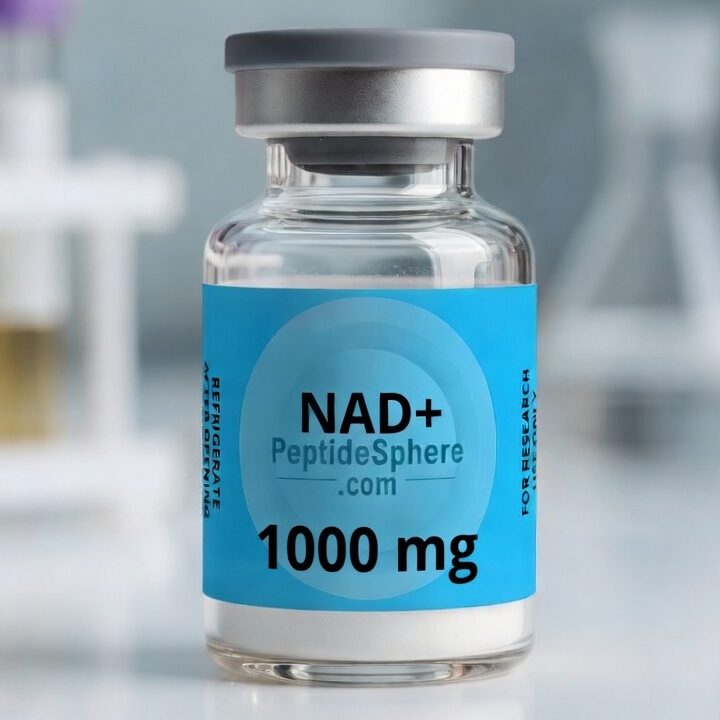
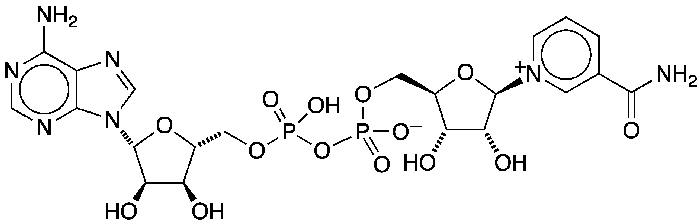
NAD+ (Nicotinamide Adenine Dinucleotide)
NAD+ is a vital coenzyme found in all living cells. It plays an essential role in cellular energy production, mitochondrial function, DNA repair, and gene expression. NAD+ levels naturally decline with age, which has made it a major subject of research in metabolic health, cellular aging, and regenerative medicine.
Research Properties:
Administration in Research:
For Research Use Only. Not for human consumption. NAD+ is intended strictly for laboratory research and in-vitro experimentation.
NAD+ (Nicotinamide Adenine Dinucleotide)
NAD+ is a vital coenzyme found in all living cells. It plays an essential role in cellular energy production, mitochondrial function, DNA repair, and gene expression. NAD+ levels naturally decline with age, which has made it a major subject of research in metabolic health, cellular aging, and regenerative medicine.
Research Properties:
Administration in Research:
For Research Use Only. Not for human consumption. NAD+ is intended strictly for laboratory research and in-vitro experimentation.
Nicotinamide Adenine Dinucleotide (NAD+), a critical coenzyme found in all living cells, has gained significant attention in research for its role in cellular metabolism, energy production, and DNA repair. NAD+ is studied for its involvement in regulating sirtuins, PARP enzymes, and other pathways linked to cellular health and longevity, positioning it as a promising candidate for research in aging and metabolic disorders.
Cellular Metabolism and Energy Production: NAD+ is widely studied for its essential role in redox reactions, supporting ATP production and mitochondrial function in experimental models.
Anti-Aging and Cellular Repair: Researchers are investigating NAD+’s potential to enhance sirtuin activity and DNA repair, which may mitigate age-related cellular decline and promote longevity.
Neuroprotection and Metabolic Disorders: Preliminary studies have explored NAD+’s applications in protecting neurons, improving insulin sensitivity, and addressing conditions like neurodegenerative diseases and diabetes.
NAD+’s central role in metabolic and repair pathways makes it a valuable tool for studying cellular health, aging, and disease mechanisms. Its stability and broad biological activity enable researchers to explore therapeutic pathways in metabolic regulation, neuroprotection, and regenerative medicine.
NAD+ is offered exclusively for laboratory research purposes. It is not approved for human or animal use, nor is it intended to diagnose, treat, cure, or prevent any disease or condition.
This website contains research products intended only for adults 21 years of age or older.
By entering this site, you confirm that:
Please complete the form below to continue.

Reviews
There are no reviews yet.