

10% OFF your first purchase use code WELCOME10
$213.75 Original price was: $213.75.$142.50Current price is: $142.50.
4 in stock
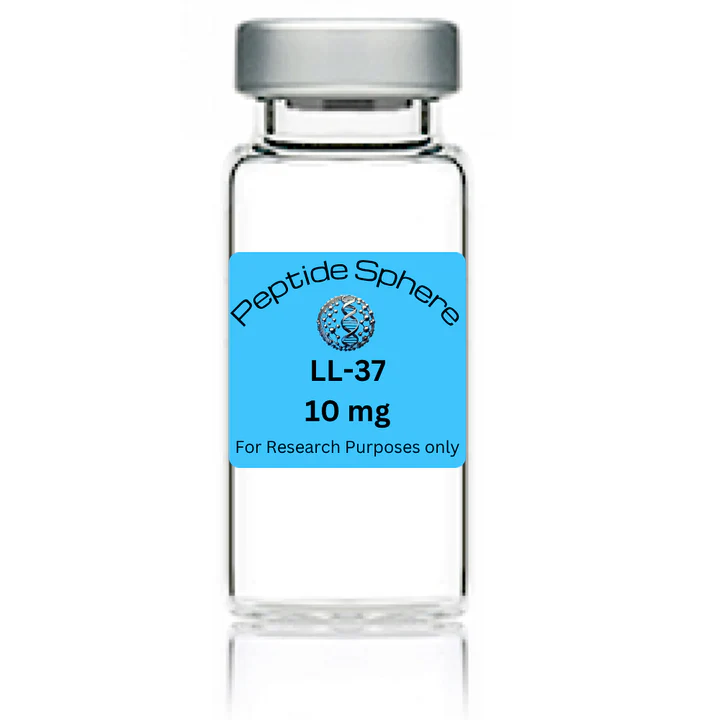
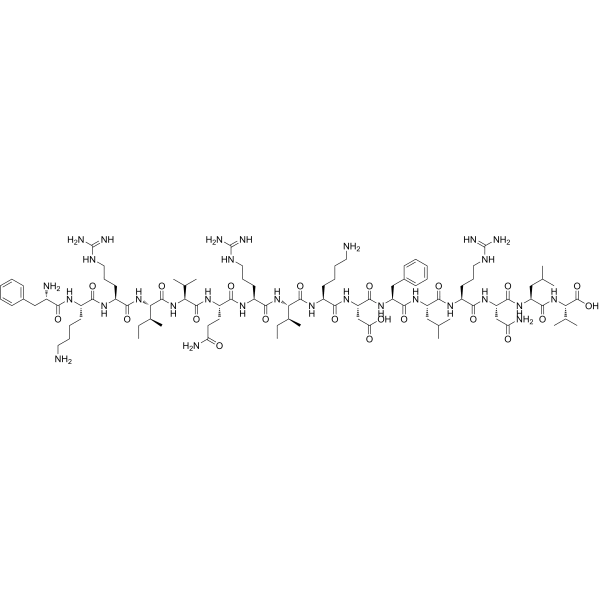
LL-37 (Cathelicidin Antimicrobial Peptide)
LL-37 is a 37-amino acid cationic peptide derived from the cathelicidin family. It is one of the most important antimicrobial peptides in the human innate immune system. LL-37 exhibits a broad spectrum of biological activities, including direct antimicrobial effects against bacteria, viruses, and fungi, as well as significant roles in wound healing, inflammation modulation, and tissue repair.
Research Properties:
Key Areas of Research Interest:
Administration in Research:
For Research Use Only. Not for human consumption. LL-37 is intended strictly for laboratory research and in-vitro experimentation.
LL-37 (Cathelicidin Antimicrobial Peptide)
LL-37 is a 37-amino acid cationic peptide derived from the cathelicidin family. It is one of the most important antimicrobial peptides in the human innate immune system. LL-37 exhibits a broad spectrum of biological activities, including direct antimicrobial effects against bacteria, viruses, and fungi, as well as significant roles in wound healing, inflammation modulation, and tissue repair.
Research Properties:
Key Areas of Research Interest:
Administration in Research:
For Research Use Only. Not for human consumption. LL-37 is intended strictly for laboratory research and in-vitro experimentation.
LL-37, a naturally occurring antimicrobial peptide derived from the human cathelicidin protein (hCAP-18), has gained attention in research for its roles in immune defense, inflammation modulation, and tissue repair. This 37-amino-acid peptide is studied for its ability to combat microbial infections and promote wound healing, making it a promising candidate for research in immunology and regenerative medicine.
Antimicrobial Activity: LL-37 is widely studied for its broad-spectrum antimicrobial effects against bacteria, viruses, and fungi, mediated through membrane disruption and immune activation in experimental models.
Inflammation Modulation: Researchers are investigating LL-37’s ability to regulate inflammatory responses, balancing pro- and anti-inflammatory pathways to support tissue protection.
Wound Healing and Tissue Repair: Preliminary studies have explored LL-37’s potential to promote angiogenesis, cell migration, and tissue regeneration, particularly in skin and mucosal repair.
LL-37’s multifaceted roles in antimicrobial defense, inflammation regulation, and tissue repair make it a valuable tool for studying immune and regenerative processes. Its stability and targeted biological activity enable researchers to explore therapeutic pathways in infectious diseases, inflammation, and wound healing.
LL-37 is offered exclusively for laboratory research purposes. It is not approved for human or animal use, nor is it intended to diagnose, treat, cure, or prevent any disease or condition.
This website contains research products intended only for adults 21 years of age or older.
By entering this site, you confirm that:
Please complete the form below to continue.

Reviews
There are no reviews yet.