CORE FEATURES
KPV: A Research Peptide Overview
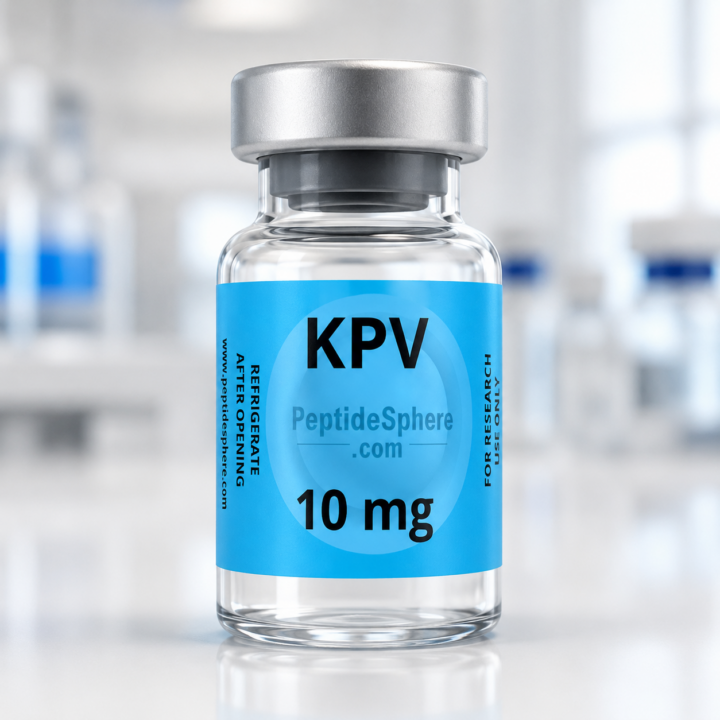
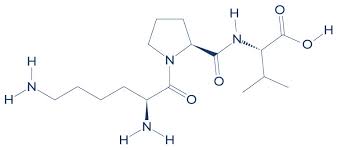
KPV, a tripeptide derived from the C-terminal sequence of alpha-melanocyte-stimulating hormone (α-MSH), has gained attention in research for its potent anti-inflammatory and tissue-protective properties. KPV is studied for its ability to modulate inflammatory pathways and promote healing, making it a promising candidate for research in inflammation, wound repair, and immune regulation.
Key Research Areas
-
Inflammation Modulation: KPV is widely studied for its ability to reduce inflammation by inhibiting pro-inflammatory cytokines and modulating immune responses in experimental models.
-
Wound Healing and Tissue Repair: Researchers are investigating KPV’s potential to accelerate tissue repair and protect against damage, particularly in skin, mucosal, and gastrointestinal tissues.
-
Immune Regulation: Preliminary studies have explored KPV’s role in balancing immune responses, making it relevant for research into autoimmune conditions and inflammatory disorders.
Why Choose KPV for Research?
KPV’s high specificity for anti-inflammatory pathways and its ability to support tissue repair make it a valuable tool for studying inflammation and regenerative processes. Its stability and targeted design enable researchers to explore therapeutic pathways in inflammatory diseases, wound healing, and immune modulation.
Important Note
KPV is offered exclusively for laboratory research purposes. It is not approved for human or animal use, nor is it intended to diagnose, treat, cure, or prevent any disease or condition.



Reviews
There are no reviews yet.