

10% OFF your first purchase use code WELCOME10
$78.75 Original price was: $78.75.$52.50Current price is: $52.50.
949 in stock
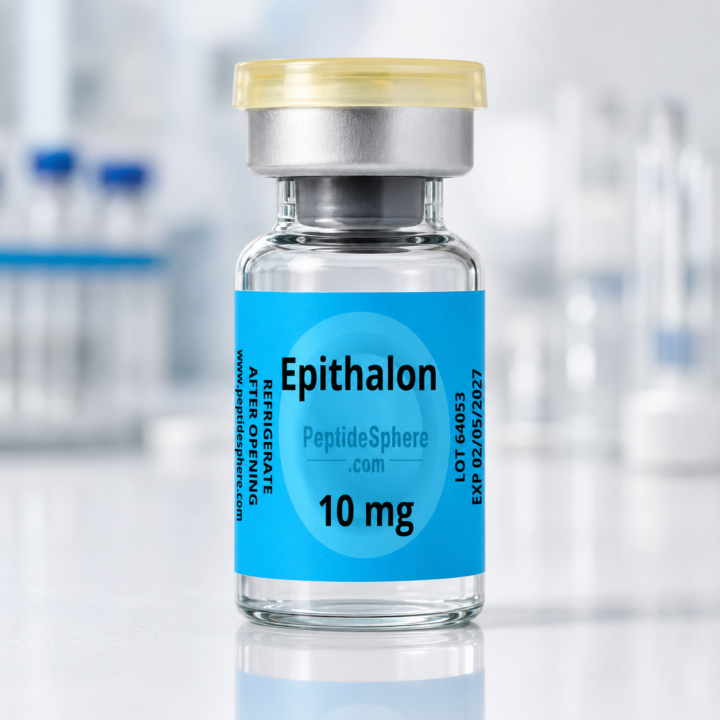
Epitalon & N-Acetyl Epitalon Amidate (NAEA)
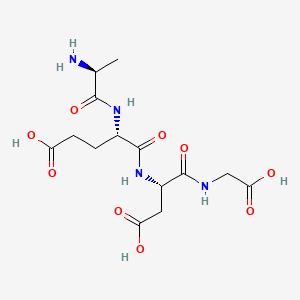
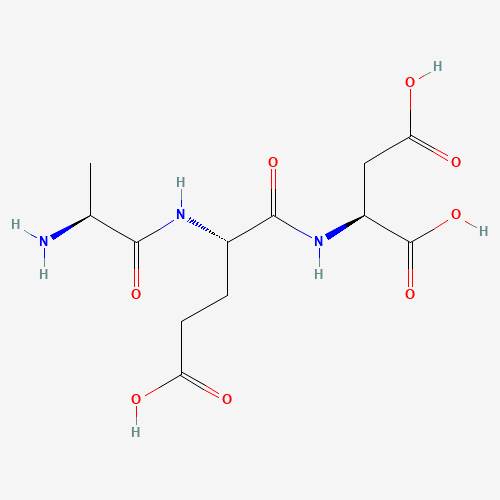
Epitalon (Epithalon) and N-Acetyl Epitalon Amidate (NAEA) are synthetic tetrapeptides (Ala-Glu-Asp-Gly) derived from epithalamin, a natural peptide produced by the pineal gland. Epitalon is the base form, while NAEA is a modified version with acetyl and amide groups added to enhance stability, bioavailability, and potency.
Research Properties:
Key Difference: NAEA is generally considered to have improved absorption, longer half-life, and higher potency compared to standard Epitalon due to its chemical modifications.
Administration in Research:
For Research Use Only. Not for human consumption. Epitalon and N-Acetyl Epitalon Amidate (NAEA) are intended strictly for laboratory research and in-vitro experimentation.
Epitalon & N-Acetyl Epitalon Amidate (NAEA)
Epitalon (Epithalon) and N-Acetyl Epitalon Amidate (NAEA) are synthetic tetrapeptides (Ala-Glu-Asp-Gly) derived from epithalamin, a natural peptide produced by the pineal gland. Epitalon is the base form, while NAEA is a modified version with acetyl and amide groups added to enhance stability, bioavailability, and potency.
Research Properties:
Key Difference: NAEA is generally considered to have improved absorption, longer half-life, and higher potency compared to standard Epitalon due to its chemical modifications.
Administration in Research:
For Research Use Only. Not for human consumption. Epitalon and N-Acetyl Epitalon Amidate (NAEA) are intended strictly for laboratory research and in-vitro experimentation.
Epitalon is a synthetic tetrapeptide (Ala-Glu-Asp-Gly) modeled after natural compounds extracted from the bovine pineal gland, functioning primarily as a telomerase activator to elongate telomeres and support cellular rejuvenation. Originally developed in Russia as a potential anti-aging agent, Epitalon has been extensively researched for its role in modulating aging processes, enhancing immune responses, regulating melatonin production, and potentially suppressing tumor growth. This peptide’s ability to penetrate cell nuclei and influence gene expression makes it a valuable tool in studies of longevity, epigenetic regulation, and neuroendocrine function.
Telomere Maintenance and Anti-Aging: Epitalon induces telomerase activity and elongates telomeres in human somatic cells, extending proliferative potential beyond the Hayflick limit (from 34 to over 44 passages in fibroblasts) and reducing markers of cellular senescence like p16 and p21. Immune Modulation: Research demonstrates Epitalon’s enhancement of interleukin-2 (IL-2) mRNA synthesis in splenocytes and thymocytes, promoting T-cell proliferation and counteracting age-related immune decline at ultra-low doses.
Melatonin Regulation and Circadian Rhythm: Studies show Epitalon restores melatonin secretion in aging models, increasing urinary 6-sulfatoxymelatonin levels by up to 1.6-fold in human trials and optimizing clock gene expression for improved sleep and stress resilience.
Tumor Suppression and Oncoprotection: In animal models, Epitalon reduces spontaneous tumor incidence and multiplicity (e.g., 3.7-fold lower HER-2/neu expression in mice) while inhibiting metastasis through telomere stabilization and immune enhancement.
Longevity and Mortality Reduction:Longitudinal studies in elderly humans and rodents indicate lifespan extension (up to 16% in Drosophila, 13.3% survivor increase in mice) and 28% lower overall mortality over 12 years with periodic administration.
Epitalon’s targeted activation of telomerase and its epigenetic interactions with DNA and histones offer a distinctive platform for dissecting the molecular underpinnings of aging, from chromatin decondensation to antioxidant pathway upregulation. Its tissue-specific tropism, particularly toward the pineal gland and subcortical structures, along with demonstrated bioavailability via multiple routes (intramuscular, intranasal, oral), positions it as an excellent candidate for in vitro, in vivo, and translational studies exploring interventions in age-related diseases.
Epitalon is offered exclusively for laboratory research purposes. It is not approved for human or animal use, nor is it intended to diagnose, treat, cure, or prevent any disease or condition.
This website contains research products intended only for adults 21 years of age or older.
By entering this site, you confirm that:
Please complete the form below to continue.

Reviews
There are no reviews yet.