

10% OFF your first purchase use code WELCOME10

$281.25 Original price was: $281.25.$187.50Current price is: $187.50.
506 in stock
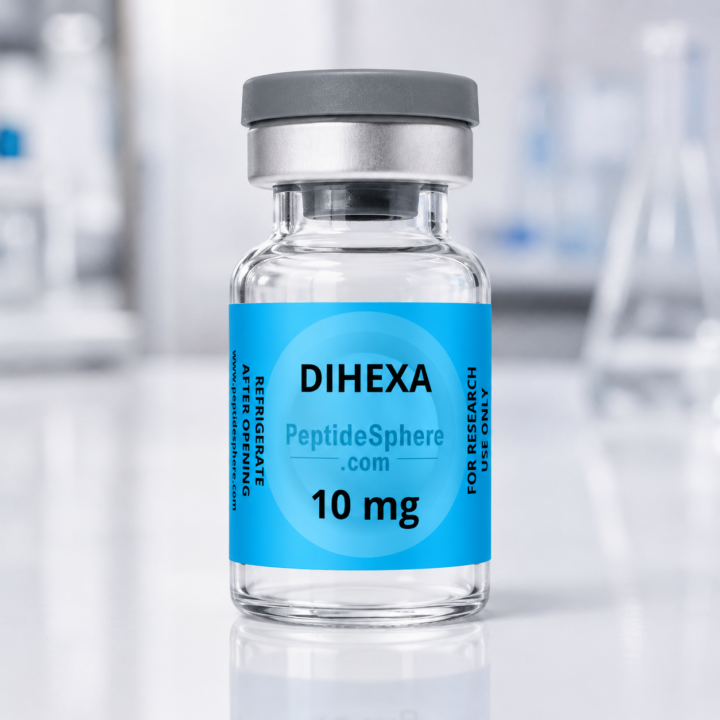
Dihexa (Angiotensin IV Analog)
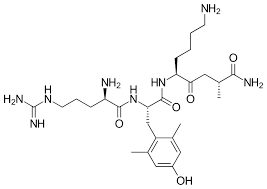
Dihexa is a potent synthetic oligopeptide derived from the angiotensin IV pathway. It is one of the most powerful known neurotrophic agents, with a binding affinity for hepatocyte growth factor (HGF) receptors that is estimated to be millions of times stronger than natural HGF. Dihexa is primarily researched for its remarkable ability to promote neurogenesis, synaptogenesis, and cognitive enhancement.
Research Properties:
Key Areas of Research Interest:
For Research Use Only. Not for human consumption. Dihexa is intended strictly for laboratory research and in-vitro experimentation.
Dihexa (Angiotensin IV Analog)
Dihexa is a potent synthetic oligopeptide derived from the angiotensin IV pathway. It is one of the most powerful known neurotrophic agents, with a binding affinity for hepatocyte growth factor (HGF) receptors that is estimated to be millions of times stronger than natural HGF. Dihexa is primarily researched for its remarkable ability to promote neurogenesis, synaptogenesis, and cognitive enhancement.
Research Properties:
Key Areas of Research Interest:
For Research Use Only. Not for human consumption. Dihexa is intended strictly for laboratory research and in-vitro experimentation.
Dihexa, a synthetic hexapeptide derived from angiotensin IV, has gained attention in research for its potential neurotrophic and neuroprotective effects. Designed to enhance synaptic plasticity by activating hepatocyte growth factor (HGF)/c-Met signaling pathways, Dihexa is studied for its role in promoting cognitive function and neural repair. Its unique mechanism positions Dihexa as a promising candidate for research in neuroscience and neurodegenerative disorders.
CJC-1295 w/ DAC is widely studied for its potential role in:
Dihexa’s high specificity for HGF/c-Met signaling and its potent effects on synaptic plasticity and neuroprotection make it a valuable tool for studying complex neurobiological processes. Its stability and targeted design enable researchers to explore therapeutic pathways in cognitive enhancement, neural repair, and neurodegenerative disease research.
Dihexa is offered exclusively for laboratory research purposes. It is not approved for human or animal use, nor is it intended to diagnose, treat, cure, or prevent any disease or condition.
This website contains research products intended only for adults 21 years of age or older.
By entering this site, you confirm that:
Please complete the form below to continue.

Reviews
There are no reviews yet.