
10% OFF your first purchase use code WELCOME10
$146.25 Original price was: $146.25.$97.50Current price is: $97.50.
7 in stock
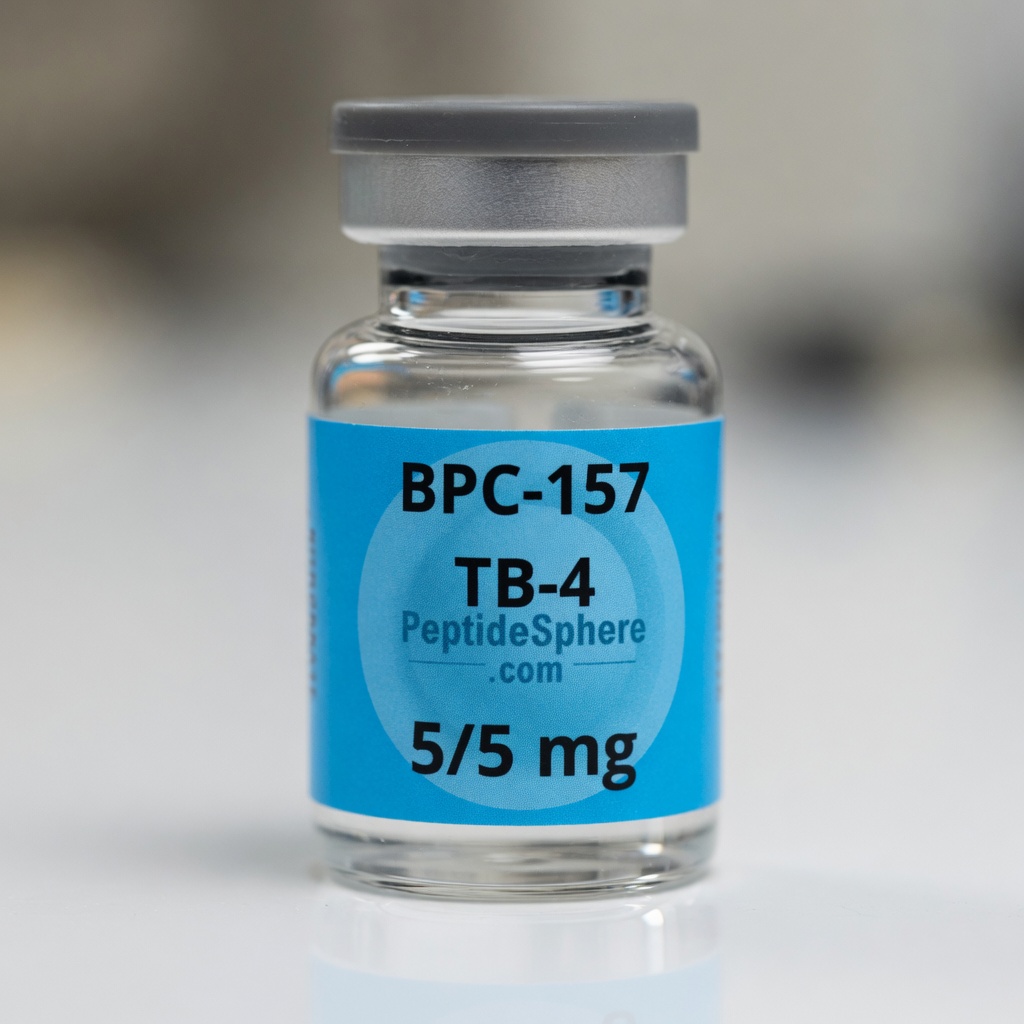
BPC-157 + TB-500 (TB4) Healing & Recovery Research Duo
BPC-157 and TB-500 (Thymosin Beta-4) are two of the most researched peptides in the field of tissue repair and regeneration. Often studied together, they are frequently used in research models exploring synergistic effects on healing.
BPC-157 A synthetic 15-amino acid peptide derived from a protective protein in human gastric juice. It is primarily researched for its potent tissue-protective and regenerative properties.
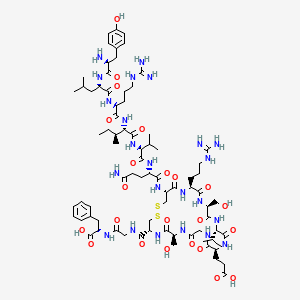
TB-500 (Thymosin Beta-4) A synthetic version of a naturally occurring peptide that plays a key role in actin regulation, cell migration, and tissue remodeling.
Combined Research Properties:
Administration in Research:
For Research Use Only. Not for human consumption. BPC-157 and TB-500 are intended strictly for laboratory research and in-vitro experimentation.
BPC-157 + TB-500 (TB4) Healing & Recovery Research Duo
BPC-157 and TB-500 (Thymosin Beta-4) are two of the most researched peptides in the field of tissue repair and regeneration. Often studied together, they are frequently used in research models exploring synergistic effects on healing.
BPC-157 A synthetic 15-amino acid peptide derived from a protective protein in human gastric juice. It is primarily researched for its potent tissue-protective and regenerative properties.
TB-500 (Thymosin Beta-4) A synthetic version of a naturally occurring peptide that plays a key role in actin regulation, cell migration, and tissue remodeling.
Combined Research Properties:
Administration in Research:
For Research Use Only. Not for human consumption. BPC-157 and TB-500 are intended strictly for laboratory research and in-vitro experimentation.
The BPC/TB4 peptide blend, combining BPC-157 and TB4 (Thymosin Beta-4), is a synergistic formulation designed for research into tissue repair, inflammation modulation, and cellular regeneration. This blend leverages the complementary mechanisms of BPC-157 and TB4 to support studies in regenerative medicine, making it a promising candidate for exploring healing and recovery processes.
Tissue Repair and Regeneration: The BPC/TB4 blend is studied for its potential to accelerate healing in tissues such as muscles, tendons, and ligaments. BPC-157 promotes angiogenesis and tissue repair, while TB4 enhances cellular migration and cytoskeletal reorganization.
Inflammation Modulation: Researchers are investigating the blend’s ability to reduce inflammation and oxidative stress, with TB4 targeting actin-related pathways and BPC-157 supporting anti-inflammatory and protective effects.
Cellular Regeneration and Recovery: The blend is explored for its role in enhancing cellular health and recovery, potentially aiding in the repair of damaged tissues and supporting regenerative processes in experimental models.
The BPC/TB4 peptide blend’s combination of BPC-157 and TB4 offers a powerful approach to studying tissue regeneration, inflammation reduction, and cellular repair. Its stability and synergistic effects make it a valuable tool for researchers investigating wound healing, recovery, and regenerative medicine.
The BPC/TB4 peptide blend is offered exclusively for laboratory research purposes. It is not approved for human or animal use, nor is it intended to diagnose, treat, cure, or prevent any disease or condition.
This website contains research products intended only for adults 21 years of age or older.
By entering this site, you confirm that:
Please complete the form below to continue.

Reviews
There are no reviews yet.