
10% OFF your first purchase use code WELCOME10
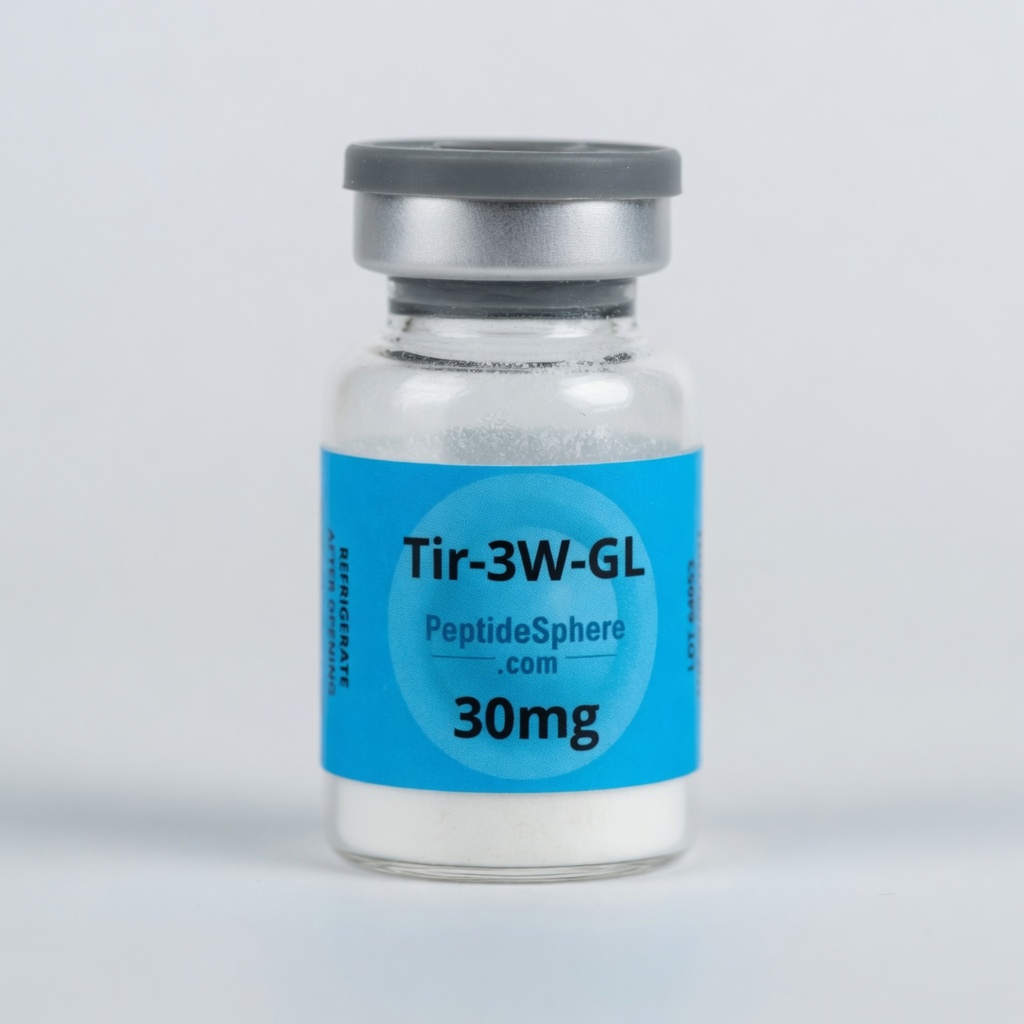
Tir-3W-GI 30MG

Original price was: $320.63.Current price is: $225.00.

517 in stock

Tirzepatide

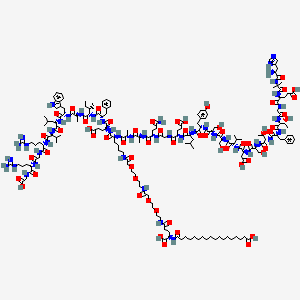
Tirzepatide is a dual glucose-dependent insulinotropic polypeptide (GIP) and glucagon-like peptide-1 (GLP-1) receptor agonist. It is a long-acting synthetic peptide administered once weekly. By activating both GIP and GLP-1 receptors, tirzepatide enhances insulin secretion, suppresses glucagon release in a glucose-dependent manner, slows gastric emptying, and promotes satiety. It is extensively researched for the management of type 2 diabetes and obesity.

Key Benefits

  • Improved Glycemic Control: Stimulates insulin release and reduces glucagon levels, leading to better blood sugar regulation.
  • Significant Weight Loss: Clinical trials have demonstrated average body weight reductions of 15% to 22.5%, making it one of the most effective agents in its class.
  • Diabetes Prevention: Shown to reduce the risk of progression from prediabetes to type 2 diabetes by over 90% in obese individuals.
  • Cardiometabolic Improvements: Positive effects on blood pressure, lipid profiles, and other cardiovascular risk markers.
  • Appetite Regulation: Induces satiety, reduces hunger, and lowers overall food intake.

Administration Options

  • Subcutaneous (SQ) Injection: Injected into the abdomen, thigh, or upper arm once weekly. Rotating injection sites each week is recommended to minimize local irritation.

Note: Tirzepatide is FDA-approved for type 2 diabetes and chronic weight management but is used here for research and educational purposes.

Potential Side Effects

  • Common (usually dose-dependent and improve over time): Nausea, vomiting, diarrhea, constipation, abdominal pain, burping, fatigue, and decreased appetite.
  • Serious (Rare): Pancreatitis, gallbladder disease, kidney problems, vision changes (diabetic retinopathy), hypoglycemia (especially when combined with insulin or sulfonylureas), and rare allergic reactions. Thyroid C-cell tumors have been observed in animal studies.

Peptide Combinations

Peptides it may pair well with (research interest only):

  • Other incretin-based peptides (such as Sem-2W-GL) for potential complementary metabolic effects.
  • Peptides that support fat metabolism or muscle preservation (e.g., certain growth hormone secretagogues) in body composition research.

Peptides/Drugs to Avoid Combining:

  • Other GIP or GLP-1 receptor agonists, as they may increase the risk of overlapping side effects (particularly gastrointestinal) without providing meaningful additional benefit.

Description

Tirzepatide

Tirzepatide is a dual glucose-dependent insulinotropic polypeptide (GIP) and glucagon-like peptide-1 (GLP-1) receptor agonist. It is a long-acting synthetic peptide administered once weekly. By activating both GIP and GLP-1 receptors, tirzepatide enhances insulin secretion, suppresses glucagon release in a glucose-dependent manner, slows gastric emptying, and promotes satiety. It is extensively researched for the management of type 2 diabetes and obesity.

Key Benefits

  • Improved Glycemic Control: Stimulates insulin release and reduces glucagon levels, leading to better blood sugar regulation.
  • Significant Weight Loss: Clinical trials have demonstrated average body weight reductions of 15% to 22.5%, making it one of the most effective agents in its class.
  • Diabetes Prevention: Shown to reduce the risk of progression from prediabetes to type 2 diabetes by over 90% in obese individuals.
  • Cardiometabolic Improvements: Positive effects on blood pressure, lipid profiles, and other cardiovascular risk markers.
  • Appetite Regulation: Induces satiety, reduces hunger, and lowers overall food intake.

Administration Options

  • Subcutaneous (SQ) Injection: Injected into the abdomen, thigh, or upper arm once weekly. Rotating injection sites each week is recommended to minimize local irritation.

Note: Tirzepatide is FDA-approved for type 2 diabetes and chronic weight management but is used here for research and educational purposes.

Potential Side Effects

  • Common (usually dose-dependent and improve over time): Nausea, vomiting, diarrhea, constipation, abdominal pain, burping, fatigue, and decreased appetite.
  • Serious (Rare): Pancreatitis, gallbladder disease, kidney problems, vision changes (diabetic retinopathy), hypoglycemia (especially when combined with insulin or sulfonylureas), and rare allergic reactions. Thyroid C-cell tumors have been observed in animal studies.

Peptide Combinations

Peptides it may pair well with (research interest only):

  • Other incretin-based peptides (such as Sem-2W-GL) for potential complementary metabolic effects.
  • Peptides that support fat metabolism or muscle preservation (e.g., certain growth hormone secretagogues) in body composition research.

Peptides/Drugs to Avoid Combining:

  • Other GIP or GLP-1 receptor agonists, as they may increase the risk of overlapping side effects (particularly gastrointestinal) without providing meaningful additional benefit.
Free Shipping over $250 – 30 Days Free Returns* – Fast Delivery – Secure Payment – Free Shipping over $250 30 Days – Free Returns* – Fast Delivery – Secure Payment
Follow Us

On Instagram

Tag us in your Instagram photos for a
chance to be featured here.

Age Verification Required

This website contains research products intended only for adults 21 years of age or older.

By entering this site, you confirm that:

  • You are at least 21 years old
  • You understand these products are for research purposes only
  • You agree to use this website in accordance with all applicable laws and regulations

Please complete the form below to continue.
Verification