
10% OFF your first purchase use code WELCOME10
$236.25 Original price was: $236.25.$194.00Current price is: $194.00.
197 in stock
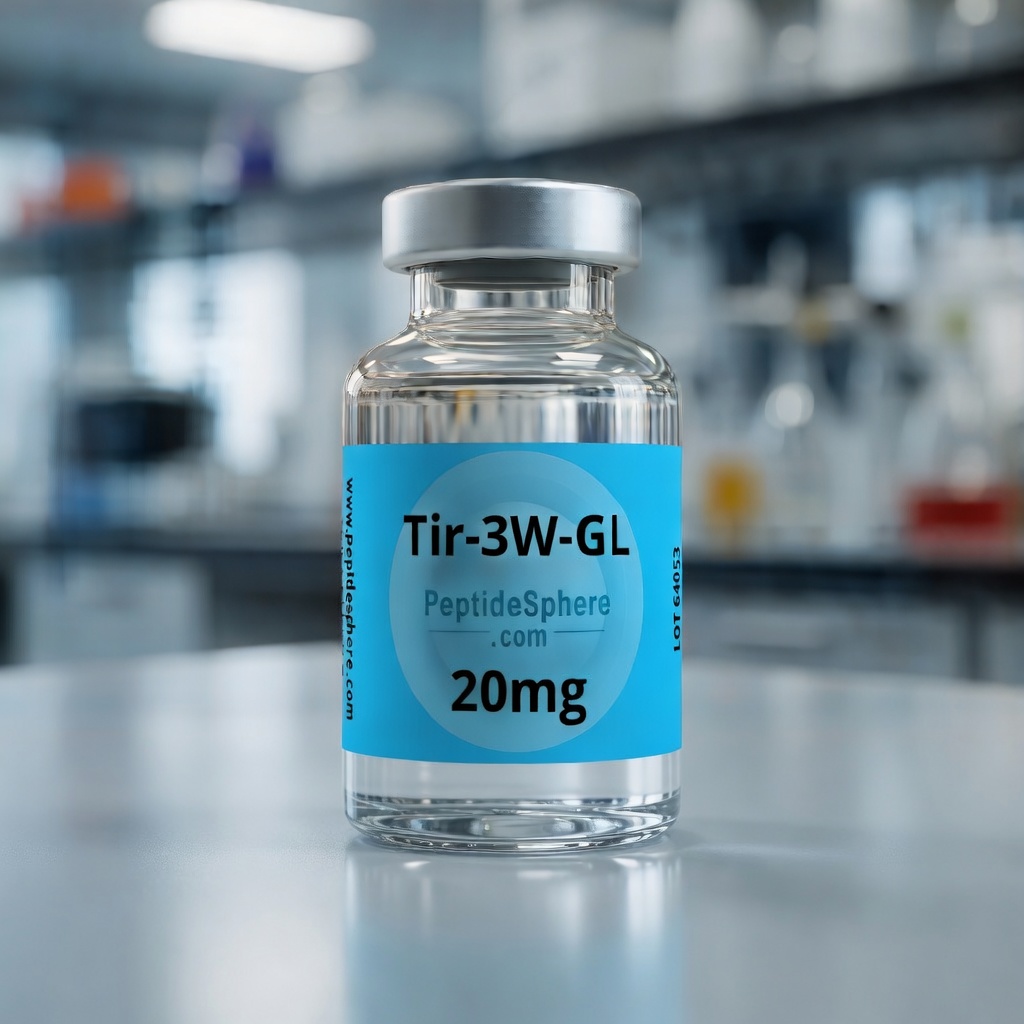
Tirzepatide
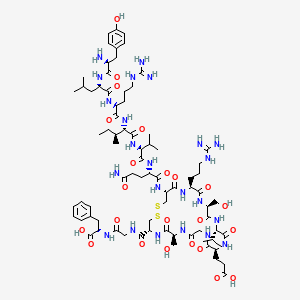
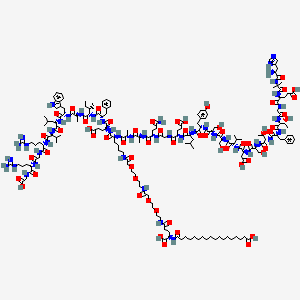
Tirzepatide is a dual glucose-dependent insulinotropic polypeptide (GIP) and glucagon-like peptide-1 (GLP-1) receptor agonist. It is a long-acting synthetic peptide administered once weekly. By activating both GIP and GLP-1 receptors, tirzepatide enhances insulin secretion, suppresses glucagon release in a glucose-dependent manner, slows gastric emptying, and promotes satiety. It is extensively researched for the management of type 2 diabetes and obesity.
Note: Tirzepatide is FDA-approved for type 2 diabetes and chronic weight management but is used here for research and educational purposes.
Peptides it may pair well with (research interest only):
Peptides/Drugs to Avoid Combining:
Tirzepatide
Tirzepatide is a dual glucose-dependent insulinotropic polypeptide (GIP) and glucagon-like peptide-1 (GLP-1) receptor agonist. It is a long-acting synthetic peptide administered once weekly. By activating both GIP and GLP-1 receptors, tirzepatide enhances insulin secretion, suppresses glucagon release in a glucose-dependent manner, slows gastric emptying, and promotes satiety. It is extensively researched for the management of type 2 diabetes and obesity.
Note: Tirzepatide is FDA-approved for type 2 diabetes and chronic weight management but is used here for research and educational purposes.
Peptides it may pair well with (research interest only):
Peptides/Drugs to Avoid Combining:
This website contains research products intended only for adults 21 years of age or older.
By entering this site, you confirm that:
Please complete the form below to continue.