

10% OFF your first purchase use code WELCOME10
$70.88 Original price was: $70.88.$47.25Current price is: $47.25.
10 in stock
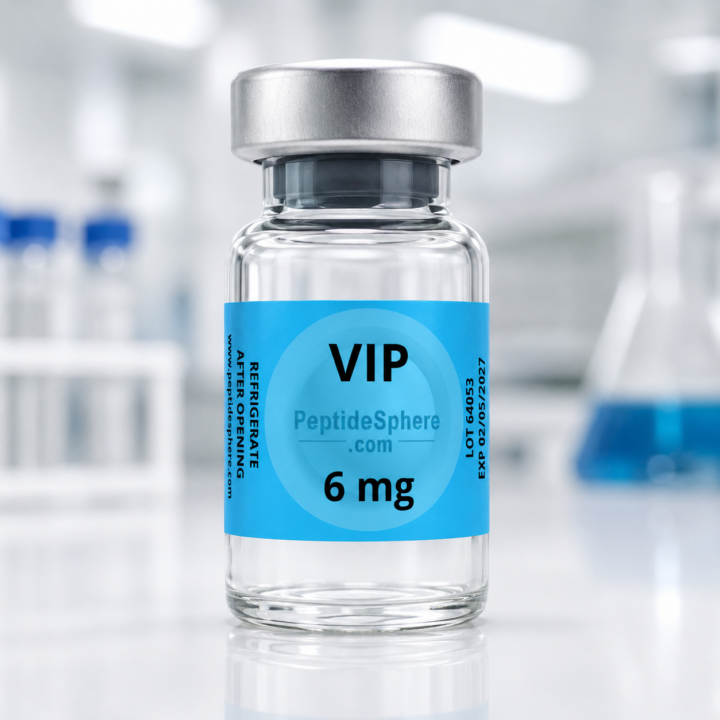
Vasoactive Intestinal Peptide (VIP)
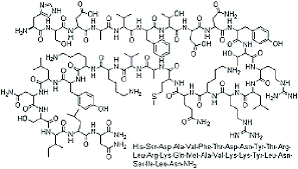
Vasoactive Intestinal Peptide (VIP) is a 28-amino acid neuropeptide naturally produced in the hypothalamus and various other tissues, including immune cells, endocrine cells, and the gastrointestinal tract. It functions as a potent neuromodulator and hormone with wide-ranging effects on circadian rhythms, immune regulation, inflammation, cardiovascular function, and respiratory health. VIP is actively researched for its therapeutic potential in chronic inflammatory conditions, respiratory disorders, neurodegenerative diseases, and mold-related illnesses such as Chronic Inflammatory Response Syndrome (CIRS).
Note: VIP has a short half-life and requires careful dosing and monitoring.
Note: VIP is not FDA-approved for most uses and is primarily used for research purposes.
Vasoactive Intestinal Peptide (VIP)
Vasoactive Intestinal Peptide (VIP) is a 28-amino acid neuropeptide naturally produced in the hypothalamus and various other tissues, including immune cells, endocrine cells, and the gastrointestinal tract. It functions as a potent neuromodulator and hormone with wide-ranging effects on circadian rhythms, immune regulation, inflammation, cardiovascular function, and respiratory health. VIP is actively researched for its therapeutic potential in chronic inflammatory conditions, respiratory disorders, neurodegenerative diseases, and mold-related illnesses such as Chronic Inflammatory Response Syndrome (CIRS).
Note: VIP has a short half-life and requires careful dosing and monitoring.
Note: VIP is not FDA-approved for most uses and is primarily used for research purposes.
Vasoactive Intestinal Peptide (VIP), a naturally occurring 28-amino-acid peptide, has garnered significant interest in research for its role in modulating inflammation, neuroprotection, and cellular signaling. VIP is studied for its ability to interact with specific receptors (VPAC1, VPAC2, and PAC1), influencing various physiological processes. Its broad biological activity positions VIP as a promising candidate for research in neurobiology, immunology, and regenerative medicine.
Inflammation Modulation: VIP is widely studied for its potent anti-inflammatory effects, particularly its ability to regulate immune responses and reduce pro-inflammatory cytokines in experimental models.
Neuroprotection and Neuroregeneration: Researchers are investigating VIP’s potential to protect neurons and promote neural repair, making it relevant for studies on neurodegenerative conditions and brain injury.
Cellular Signaling and Homeostasis: VIP is explored for its role in modulating cellular signaling pathways, including cAMP activation, which may support tissue repair and metabolic regulation.
VIP’s high specificity for its receptors and its multifaceted effects on inflammation, neuroprotection, and cellular signaling make it a valuable tool for studying complex physiological processes. Its stability and targeted action enable researchers to explore therapeutic pathways in immunology, neurology, and regenerative medicine.
VIP is offered exclusively for laboratory research purposes. It is not approved for human or animal use, nor is it intended to diagnose, treat, cure, or prevent any disease or condition.
This website contains research products intended only for adults 21 years of age or older.
By entering this site, you confirm that:
Please complete the form below to continue.

Reviews
There are no reviews yet.