

10% OFF your first purchase use code WELCOME10
$73.13 Original price was: $73.13.$48.75Current price is: $48.75.
20 in stock
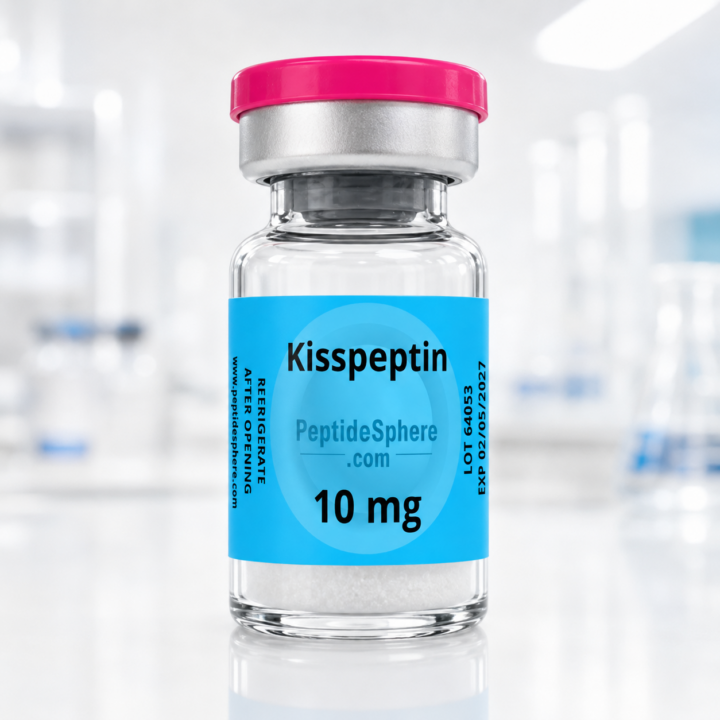
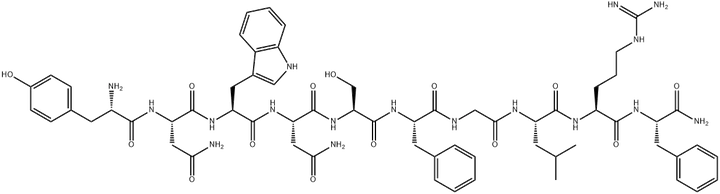
Kisspeptin (KISS1-Derived Peptide)
Kisspeptin is a neuropeptide encoded by the KISS1 gene that plays a critical role in the regulation of the hypothalamic-pituitary-gonadal (HPG) axis. It acts as a potent stimulator of gonadotropin-releasing hormone (GnRH) release, which in turn triggers the secretion of luteinizing hormone (LH) and follicle-stimulating hormone (FSH). Kisspeptin is primarily researched for its central involvement in reproductive physiology, puberty onset, and fertility.
Research Properties:
Administration in Research:
For Research Use Only. Not for human consumption. Kisspeptin is intended strictly for laboratory research and in-vitro experimentation.
Kisspeptin (KISS1-Derived Peptide)
Kisspeptin is a neuropeptide encoded by the KISS1 gene that plays a critical role in the regulation of the hypothalamic-pituitary-gonadal (HPG) axis. It acts as a potent stimulator of gonadotropin-releasing hormone (GnRH) release, which in turn triggers the secretion of luteinizing hormone (LH) and follicle-stimulating hormone (FSH). Kisspeptin is primarily researched for its central involvement in reproductive physiology, puberty onset, and fertility.
Research Properties:
Administration in Research:
For Research Use Only. Not for human consumption. Kisspeptin is intended strictly for laboratory research and in-vitro experimentation.
Kisspeptin, a peptide derived from the KISS1 gene, has emerged as a significant molecule in the regulation of reproductive processes. It plays a pivotal role in initiating puberty and controlling the release of gonadotropins that are critical for sexual development and fertility. Kisspeptin has attracted considerable attention in research for its potential therapeutic applications in reproductive health, neurological disorders, and metabolic conditions.
Kisspeptin’s ability to influence critical hormonal systems makes it a valuable tool for understanding complex biological processes. Its stability and biological activity in various research contexts enable the exploration of its wide-ranging impacts on reproduction, metabolism, and neuroendocrine health.
Kisspeptin is offered exclusively for laboratory research purposes. It is not approved for human or animal use, nor is it intended to diagnose, treat, cure, or prevent any disease or condition.
This website contains research products intended only for adults 21 years of age or older.
By entering this site, you confirm that:
Please complete the form below to continue.

Reviews
There are no reviews yet.